
So far in my seven blog posts, I have shared five years of my life from 1975-1981–my College years. Allow me to turn the pages backward and join me in visiting the colorful and eventful beginnings of my family.
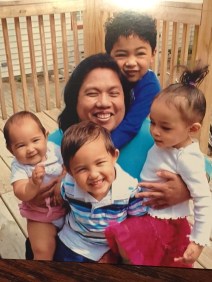
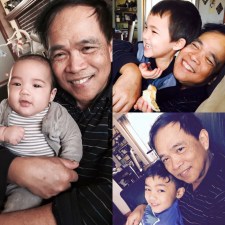
I wish to remind my readers that the original purpose of writing myJOURNEY was for my grand children to know me. I don’t want my story to die with me! That purpose is still the BIG WHY for writing this project. As of this writing, May 2016, I have five grandchildren: Camden age 6, Liam age 5, Lyla age 3, Evelyn age 2, and Ryland 6 months. And I expect to have more in the future…God willing. These little ones are my inspiration. It will be a long while before they are able to read Lolo’s life story. I am imagining them to be in their 20’s when they can appreciate this work. That will be about 15 years from now.
So, where did Lolo come from? Who were Lolo’s parents? How was his life as a young boy? If there were no computers back then, what kind of toys did he play with? What kind of food did he eat? If there were no cars, how did he travel?
The follo
wing story will trace my beginnings. In this episode, my mother narrates her unique
love story. I reconstructed the story and the dialogues from my memories of hearing them for the purpose of story-telling. First, let me begin with a brief background of my origin.
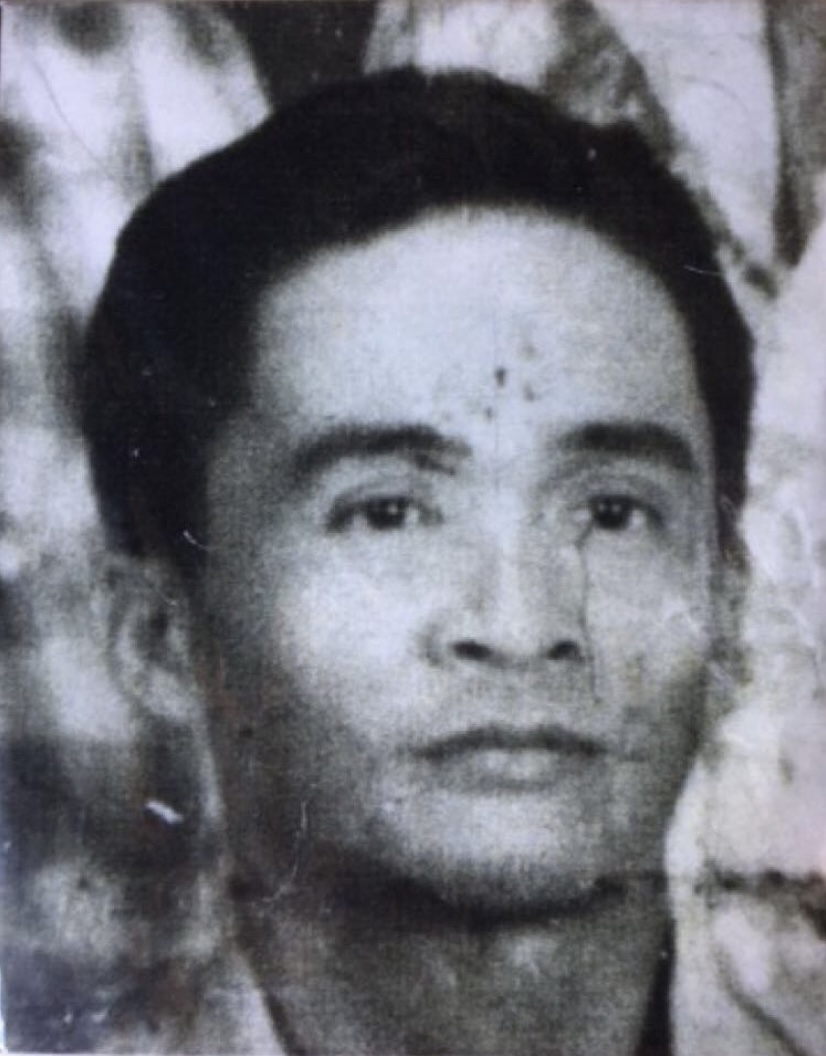
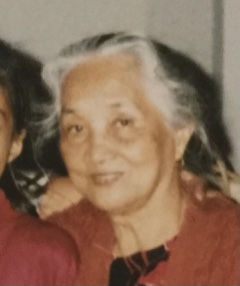
My family came from Pangatian, a barrio of Cabanatuan City. Both of my parents were migrants from Pangasinan, so we learned how to speak Ilocano in the midst of a Tagalog-speaking community. Like many of the barrio residents, we were tenant rice farmers. That means we did not own the land we tilled. Tatang–what we seven children called our father–was a katiwala (overseer) of a huge hacienda owned by the Lopez landlords. Tatang being the eldest of five Valenzuela sons, inherited that job from his father Simeon. As a community leader, he was respected and trusted by many. Inang–that’s how we called our mother–was a very religious woman. She was the prayer leader in the barrio. In short, both of my parents were highly involved with community life.
As a young boy I was especially interested in hearing my parents’ stories. “How did you and Tatang meet?”, I asked Inang one night after we had our family prayer –we called it family devotion. At this time I was about ten years old, just a few years after my father passed away. After she told the following story that night, my siblings and I were hooked and we begged her to tell more stories at night before bed.
“Oh! it’s a long story”, Inang answered. But she was very eager to share her story.
The following is Inang’s recollection of her unique love story:
In the early 1940s, when I was about 19 years old, before the Japanese invasion of the Philippines, my cousin and I traveled from Asingan, Pangasinan to visit our relatives in Kalawagan–another barrio of Cabanatuan. One day, our uncle asked if we would be interested in working at the nearby barrio of Pangatian in Hacienda Lopez to harvest rice. I needed to earn some money before I went to my folks in Pangasinan. So my two cousins and I–all girls–went. We stayed at the house of Tatang Simeon Valenzuela, the overseer of the hacienda.
On the first week of our stay in Pangatian, we were serenaded by the young men of the barrio almost every night. Our visitors usually stayed late, so we had just a few hours of sleep before we woke up at day break to go to the harvest field. Tatang Simeon noticed how we became sluggish because of lack of sleep. From then on he gave a regulation for the serenaders. “From now on there will be no serenaders on weekdays, only on weekends and on my approval.” We liked the new rule, and so did the five Valenzuela sons, Igmedio, Simeon Jr, Pantaleon, Apolonio and Jose. Igmedio–also called Reming–and the eldest of the five sons was with the first group of serenaders. They had two sisters- Juliana and Dora.
Inang’s eyes lit up as she related this part of the story.
“Did you live in the same house?” I asked with anticipation.
Yes we did but when my cousins and I moved in with the Valenzuelas, the Valenzuela boys slept in the barung-barong (a makeshift house usually constructed on the other side of the property.) But we all a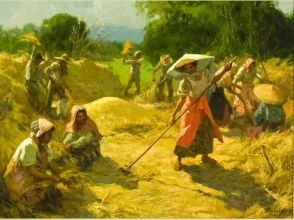 te together.
“Did you and Tatang date before you got married?” I inquired.
Oh no!!!! No! No! No! She shook her head vehemently. No, the older Valenzuela boys were not allowed to talk to us girls. That’s improper. We only had conversations around the table when we were eating in front of everyone. Tatang Simeon instructed the boys not to bother us.
With eagerness I asked, “So then how did you get to know and liked each other?”
Well, your Tatang did not court me. He was too shy to even talk to me. Some unfortunate events brought us together.
Again, I saw the glow in her eyes as she narrated the story:
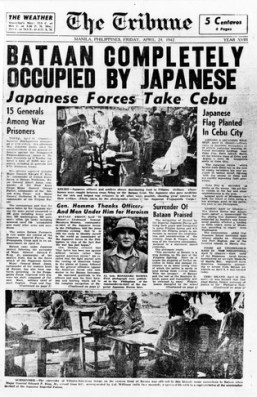
My cousins and I ended up staying in Pangatian longer than we planned. We then became members of the household. The Japanese invasion made it difficult for me to go home to Pangasinan. I got stuck in Pangatian.
One night, when we were having dinner, several men came looking for Tatang Simeon. They were the guerillas–civilian people who secretly organized themselves to fight against the Japanese invaders. Tatang Simeon invited them in, but only three of them came inside the house. All the others stayed outside guarding all the exits–doors and windows. The Valenzuelas knew that the guerillas were rounding up all families with male members for recruitment in the local guerilla unit. While Tatang Simeon was talking to his guests Inang Catalina, Tatang Simeon’s wife, whisked Igmedio into a room to hide him from the men, hoping that they wouldn’t find him. She hid him in the closet where the blankets, pillows and banig (woven mats) were kept when not in use. One of the men became suspicious. He and his other companion went inside the room and quickly found Igmedio.
“O heto ang isa nagtatago sa silid.” (Heres one hiding in the closet.) Inang Catalina started to cry and begged the guerillas to spare him. “Maawa na po kayo, huwag ninyo siyang kuhanin. Malapit na po siyang ikasal.” (Please have mercy, don’t take him away. He’s about to get married.) Then I heard her calling my name. “Basil, halika dito!” (Basil please come over here!) I did not understand what was going on and so I heeded the call. “Siya po ang nobya ni Igmedio at malapit na silang ikasal.” (She is my son’s fiance and they will be married soon.) Hearing what Inang Catalina just said Tatang Simeon whispered to me in Ilocano. He said, “Ibagam nga nobyom ni Reming. Nu haan alain da isuna.” (Tell them that Reming is your fiancé, if not they will take him away.) Sure enough, one of the guerillas interrogated, “Talaga bang nobyo mo siya?” ( Is he really your fiancé?) “Opo”, I answered rather sheepishly. “Eh bakit ka dito nakatira?” (So why do you live here?), continued the guerilla. Tatang Simeon quickly answered, “Mga dayo lang dito yan” (They are not from here), pointing to me and my cousins. “Taga Kalawagan sila, nagpunta sila dito para tumulong sa pag-ani ng palay.” (They are from Kalawagan. They are here to help in harvesting rice.) “Ha ganoon ba? Kailan ang kasal?” (Is that so? When is the wedding?), asked the guerilla with a hint of suspicion. “Sa susunod na buwan po. Inaanyayahan ko kayong dumalo.” (Next month and I’m inviting all of you), quipped Tatang Simeon. Before they left they warned that if the wedding did not take place as told, they would enlist Reming to the active guerilla unit.
When I woke up the next day, I was so confused, worried and angry. I was very embarrassed about what happened the night before. Why did I say yes? I cannot believe I got into this sticky situation. Reming’s parents had been teasing me about their son, but that was it. He never approached or even talked to me about anything, and now we were getting married? I thought of escaping but the situation with the Japanese was very dangerous. I was so ashamed about what I did so I decided to hide in the dugout in the nearby field. The barrio folks made dugouts in the fields to serve as shelters in the event of Japanese air bombings. I told my cousins not to tell anybody where I was. They brought me food and water in the dugout during my stay there. However, at the insistence of Tatang Simeon, my cousins finally told him where I was and he came to talk to me.
“Basil, pasensiya ka na sa nangyari, kailangan lang para maingatan si Reming. Mabait naman ang panganay kong si Reming ah, masipag pa at may sarili nang bukid.” (Basil, I apologize for what happened. It was just necessary to protect Reming. You see, my first born son is a kind man. Besides, he is hard working and he has his own farm already), Tatang Simeon explained. Still upset, I answered, “Tatang bakit po kayo nagsinungaling? Wala naman kaming relasyon ng anak ninyo. Ayaw ko pong magpakasal nang hindi alam ng mga magulang ko!” (Tatang, why did you tell a lie? I have no relationship with your son. I don’t want to get married without my parents knowing!)Tatang Simeon would not take no for an answer. “Pero ang mga magulang mo ay nasa Pangasinan. Sigurado ako maiintindihan nila. Basil, makinig ka sana sa akin. Madaling mahalin si Reming. Tulad mo mabuti siyang tao, mabait at masunuring anak. Hindi ka magsisisi kung siya ang mapapangasawa mo. Kung mag-aasawa rin lang siya, gusto ko ikaw para sa kanya. Bagay kayo, maniwala ka sa akin? (But your parents are in Pangasinan, it would be difficult to send for them. I’m sure your parents will understand. Basil, please listen to me. Reming is easy to love. Like you he is a good person, kind and obedient son. You won’t regret if you will marry him. I want you for him. You are a good match, believe me.)
Tatang’s pep talk angered me even more. I still cried every night and I did not eat most of the time, especially when Reming was around. I avoided him. I also skipped farm work for many days, and didn’t want to talk to anyone.
By this time in Inang’s story, we were jumping out of our seats. “Didn’t you have any feelings for him at all at that time?” Inang let out a big smile and continued her story.
Not that I didn’t like him, it’s just that I was so confused. I got engaged to a man whom I did not know. We had not even talked to each other before. I didn’t know him and I didn’t even know if he really liked me. I heard that he was seeing a beautiful girl in the barrio who liked him also. I heard the others in the rice field gossiping about them.
“So you liked him and you were jealous?”, my siblings and I laughed together. She smiled with a glow in her eyes.
Well, after the event that night, I started to notice him. He was indeed a very good man. I liked the way he treated his parents, especially his mother and sisters. He was very obedient and respectful to his parents, and incredibly hardworking. And yes, he was handsome, especially when he was wearing his newly ironed white long-sleeved shirt whenever he went to the city on weekends. One time before our scheduled wedding while we were eating at the dinner table, he asked if I could iron his pants and long-sleeved shirt. Of course I said yes because I didn’t want to embarrass him in front of everyone.
When I was done ironing his clothes he came by to pick them up. I held his clothes out to him and as he reached to grab the neatly folded pile, our hands touched. I felt his hand gently cup around mine. I almost screamed, but I was able to control my self. He held my hand tighter and he whispered. “Basilisa, ay-ayaten ka, isu ngarud nga pakasaran ka! (“Basilisa, I love you. That’s why I’m marrying you!”) Then he left immediately.
I wasn’t able to sleep that night but I felt peace in my heart. I knew then that I was ready to marry him, but I felt bad that my family did not know what was going on.
After that moment, he began to send me food and merienda (snacks) when I was working in the field. Sometimes he would get close just to say “Kumusta kan Basil?” (How are you, Basil?) Tatang Simeon arranged for us to talk in the house some nights but not without a chaperone. I found out that he was a funny guy and had a beautiful singing voice. Igmedio’s brothers, sisters and my cousins soon caught on and began to playfully tease us.
Two weeks before my scheduled wedding, while working in the rice field, I heard my cousin yelling and calling out my name. “Basil!! Basil!! Adda agbirbiruk kenka!! Basil!! Basil!!” (Someone’s looking for you!!) I looked to where she pointed and saw a familiar figure approaching. It was my father! I ran to him as he was running toward me. Almost hysterical, I hugged and kissed him. My father kissed me from head to toe! Then he related to us how he got to Cabanatuan from Pangasinan. He said that it took him several weeks to travel on foot to come and find me. He avoided Japanese check points and begged people to help him with food and shelter along the way. That night my father gave me a heart-to-heart talk.
“Basil, anak, nasayaat unay no umanamong ka a ni Reming ti pakiasawaam. Ta isu na naimbag, ket nasayaat unay ti damag na, ken kasta met ti panangipateg dagiti dadakkel na kenka ket aywanan dakanto ti amin nga kabaelanda. Dayta ti inkari ken impanamnama ti pamilyada ken dagiti nagannakna kaniak. Isu nga natalgedak unay anak ko no isuna ti maasawam.” (Basil, my daughter, you would be better off if you will agree to marry Reming. He is a good man and he came from a good family. His parents assured me that you will be loved and taken cared of, not only by him but by the entire family. I will be very happy for you anak.)
My father Jose Emperio gave his blessings on my marriage to your father. My wedding was simple but beautiful. Your father was a wonderful man and I really loved him. Within one year of our marriage he built this house.
That night I heard mother silently cried–again–just like many other nights. She still missed him many years after his death in 1964 at the young age of 42. Mother did not marry again, although there were several proposals after she was widowed. She selflessly dedicated herself unselfishly to single-handedly raise their brood of 8. I am blessed to be one of them–the 7th. The legacy of their unique love story continues as 17 grandchildren and presently 22 great grandchildren were added to the family. All praises be to God!


Ang unique lang… parang nagtime travel ako picturing on my mind the actual scene of what I am reading… bless you more uncle gil for sharing…
LikeLike