
All I really need to know about Filipino food, I learned while still a young boy in a Philippine village.
I grew up around people who loved to cook. They cooked not only for their families but for others. I have vivid memories of my childhood. I remember our family had an extra long and wide dining table that can sit 24 people- 10 on each long side and 2 on either head tables. There were people who din’t live in our house but ate there regularly. There were always new faces. Most of them were people who worked for father who was the hacienda foreman. Mother was always cooking and feeding people so our kitchen was always busy. Mother and her team cooked over firewood’s using large pots and pans. Our house always smelled food and smoke from firewood burning almost perpetually. W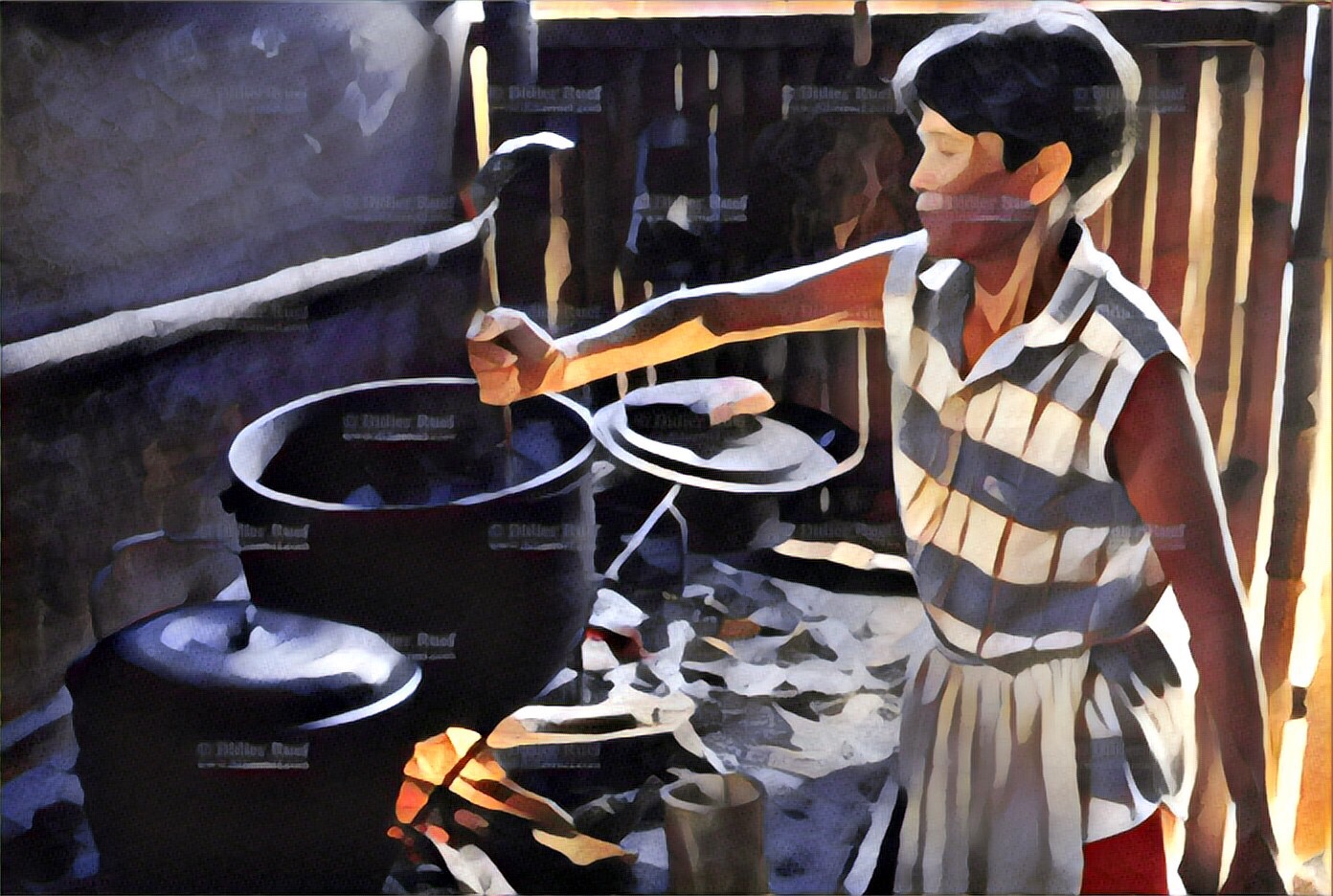
I grew up smelling aromas and scents of Filipino food. I learned early on that onions and garlic makes one cry, ground pepper makes you sneeze and labuyo peppers sting. The salt seasoning come from granulated sea salt, fish sauce (patis), soy sauce, bagoong (salted fish like anchovy), bagoong alamang (salty shrimp paste). And seasoning is not complete without the vinegar.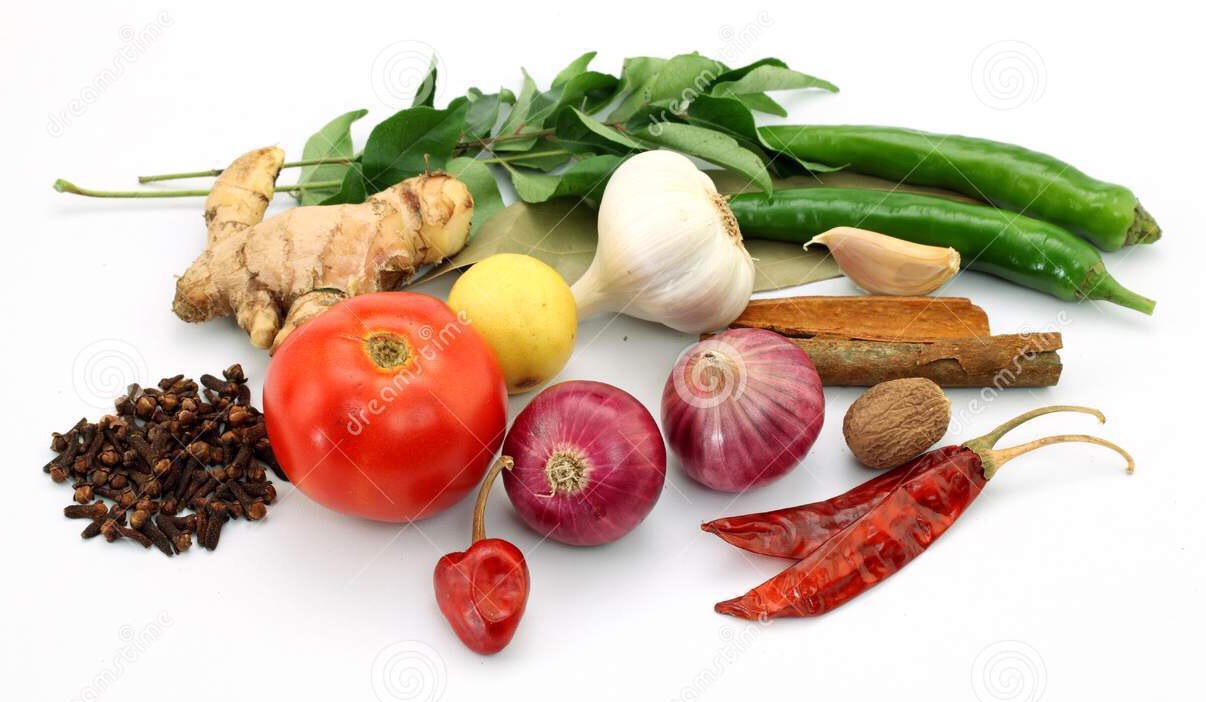 last
last 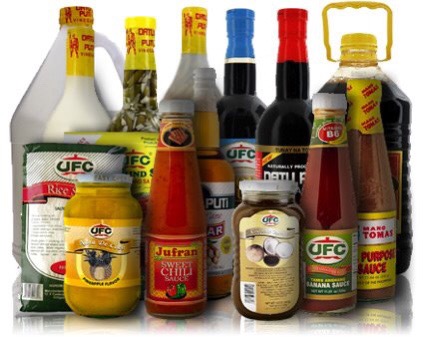
I witnessed how pigs and cows became pork and beef. I enjoyed gathering eggs from baskets every morning and watched my father milked our carabaos at daybreak. 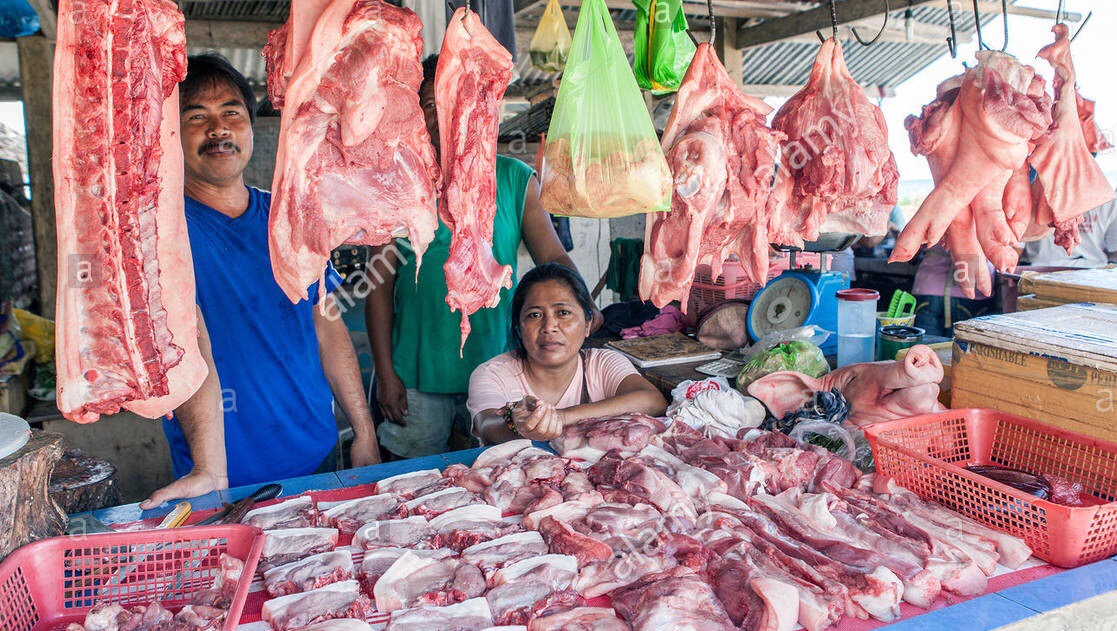 I was mother’s assistant in dressing the ducks and chickens and harvesting vegetables from the backyard garden.
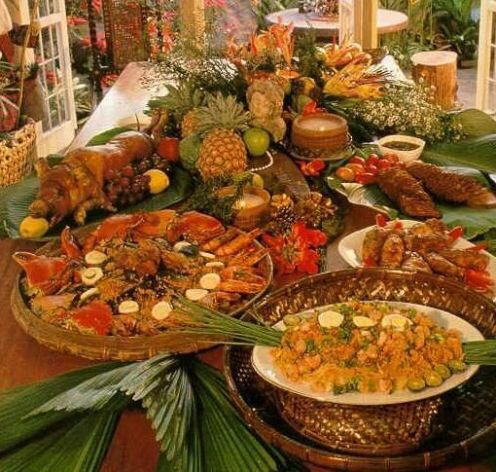
Village fiestas, weddings, baptism and even wakes were centered on food. During The Barrio fiesta, our family always hosted and fed special guests,stage performers, and the band. Festive foods overflowed to welcome not just relatives and friends but people from the other villages. There were a lot of cooking that went on. 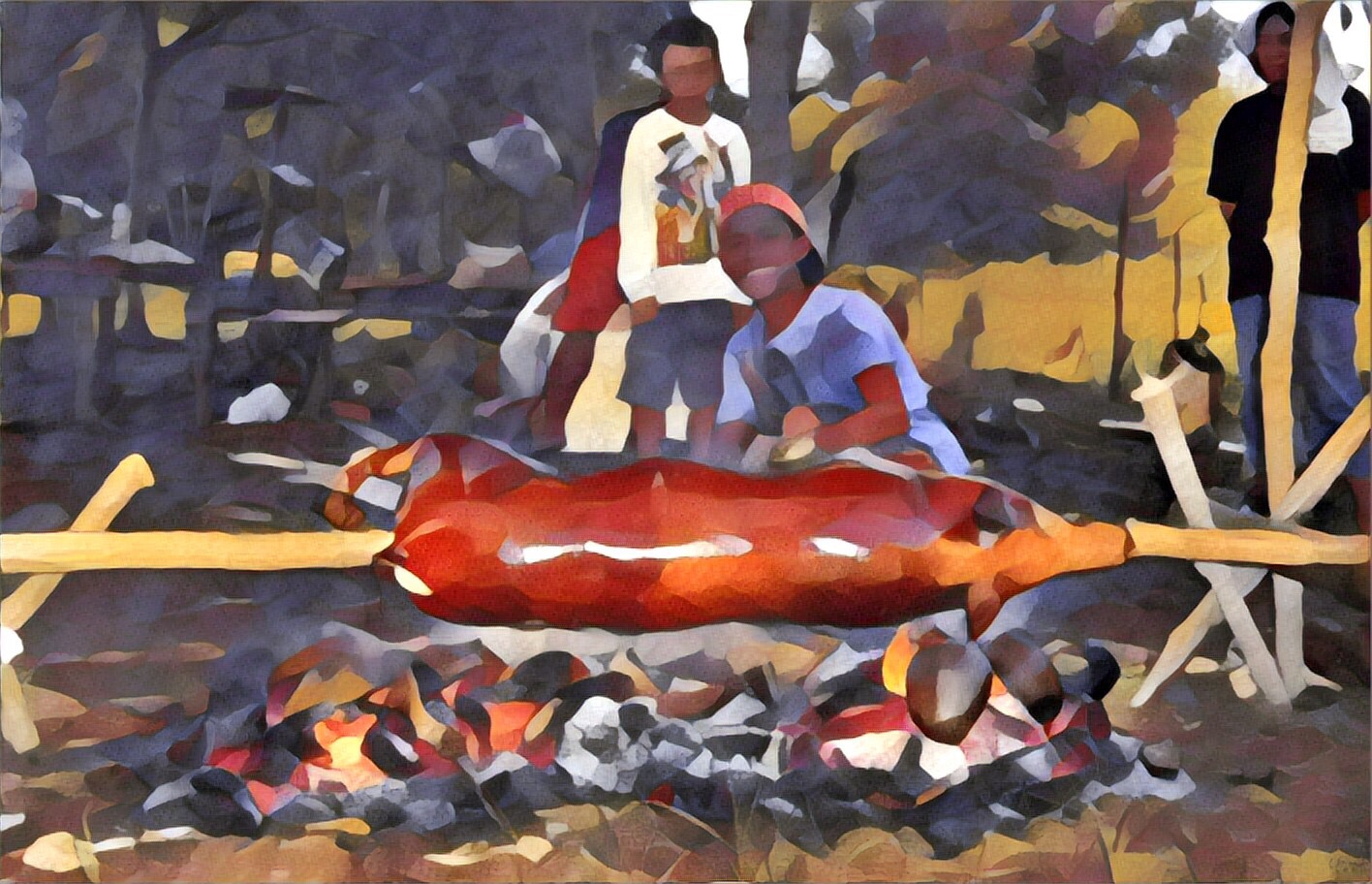 During special events like weddings, she and her team were sought after in cooking the feast recipes like adobo, menudo , caldereta, bopis, lechon, kilawin, sisig, hegado, dinuguan, arroz valenciana, morcon, asado, relleno, kare-kare, embotido, menudo, afritada, lumpia, pancit, mechado
 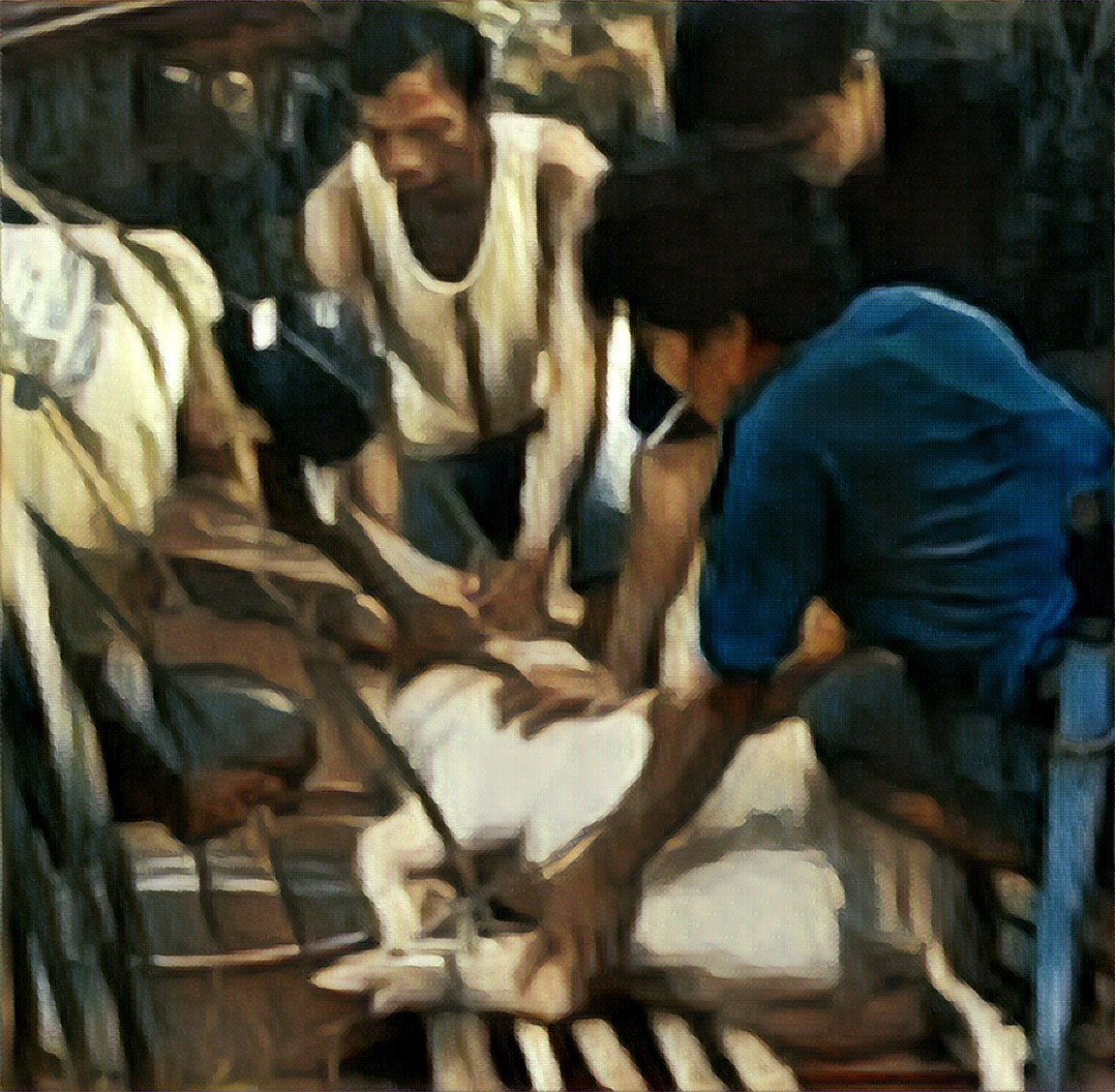 Slaughtering animals for food were a communal activity mostly involving the men and we kids were the avid spectators and learners of the trade. The best part was tasting the food before they were even served. I hanged out around the outdoor cooking area and the cooks would give me samples of food. Even as a young boy, I can distinguish many Filipino dishes by their looks, smell and taste.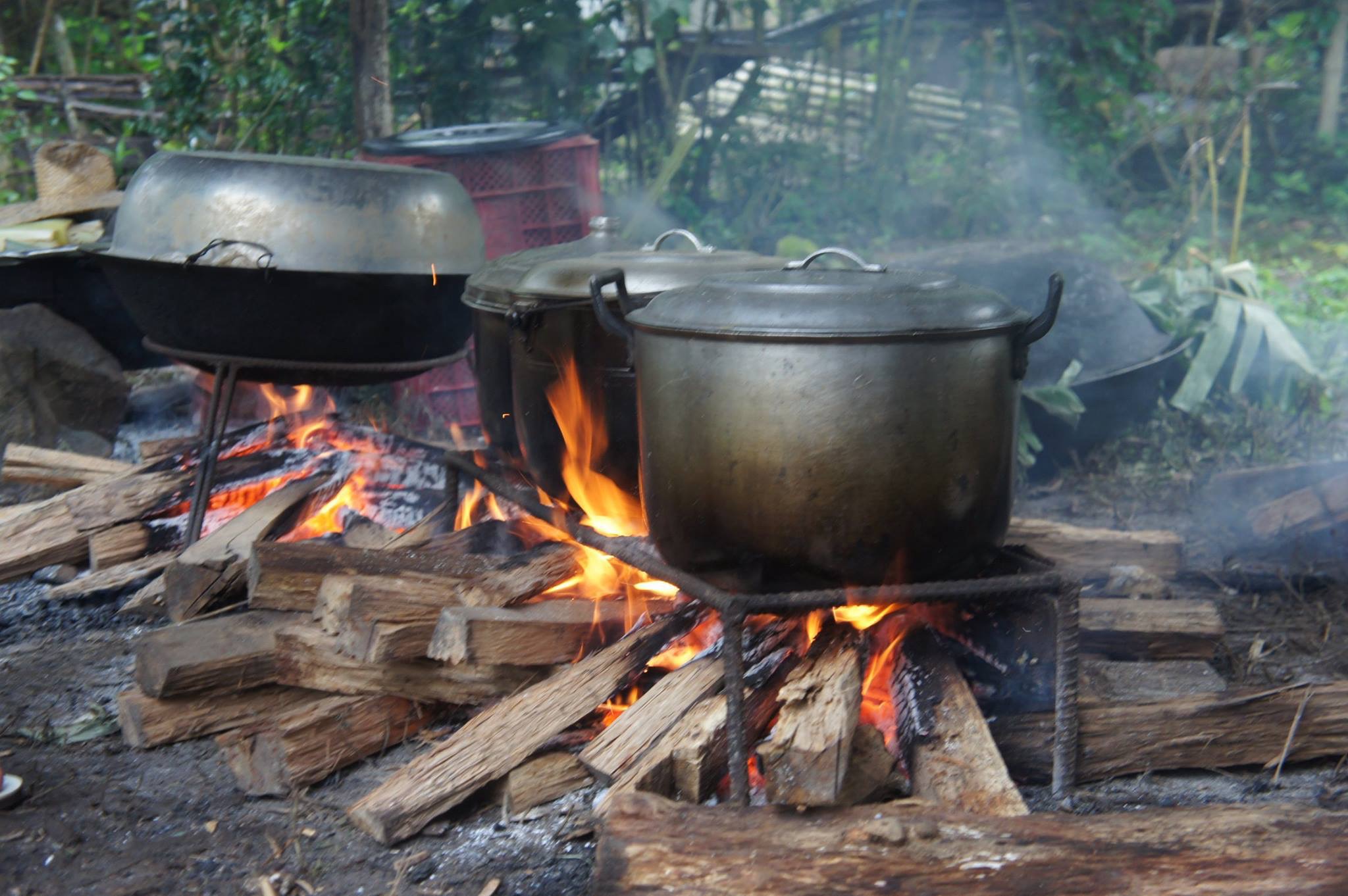
When I started high school, I worked as a houseboy. Cleaning around the house and cooking were part of my job. So, as early as age 13 I’ve been cooking for people other than my family. I cooked meals for an old retired couple.
I cooked my own food at the dormitory during my college days. It was then that learned creativity in cooking. I mastered how to stretch a budget to come up with cheap but nutritious food. I learned how to gather wild plants and even edible insects to supplement my food supply. (Read my blog articles Survivor Parts 1&2)
My food business started in the Middle East while working as engineer in the Sultanate of Oman. Like the other Filipino expatriates, we missed and craved Filipino foods. My wife and I saw this as an opportunity to start a business. For me, it was doing a passion I inherited from my family. Cooking professionally took another level than home cooking. I had to be consistent with the taste and the looks of the food. We manufactured longanisa, tocino and lumpia. We also cooked and froze favorite delicacies like dinuguan, lechon paksiw, papaitan and many more. Our home-based food business proved to be very rewarding. I doubled my income.
When we came to America, I took pride in serving Filipino foods to our American friends. I always brought pancit, lumpia and adobo to church fellowship dinners.
My cooking skills greatly improved here in America. I was encouraged to try Western cooking while watching the Food Channel. I learned from the celebrity chefs like Booby Flay, Rachel Ray, Julia Child’s Tyler Florence, Guy Fieri, Alton Brown, Anthony Bourdain and Emeril Lagasse.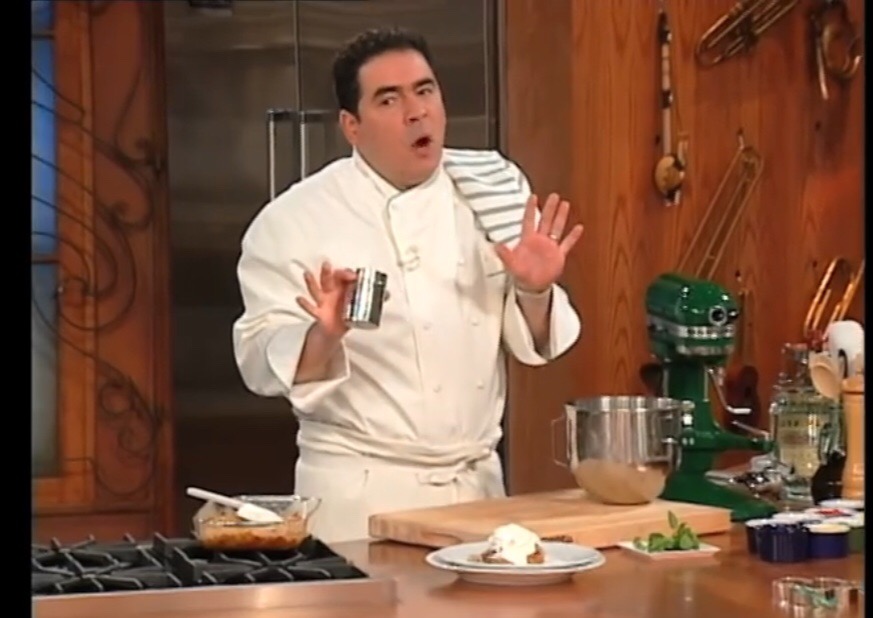 BAM!!!! Emeril Lagasse
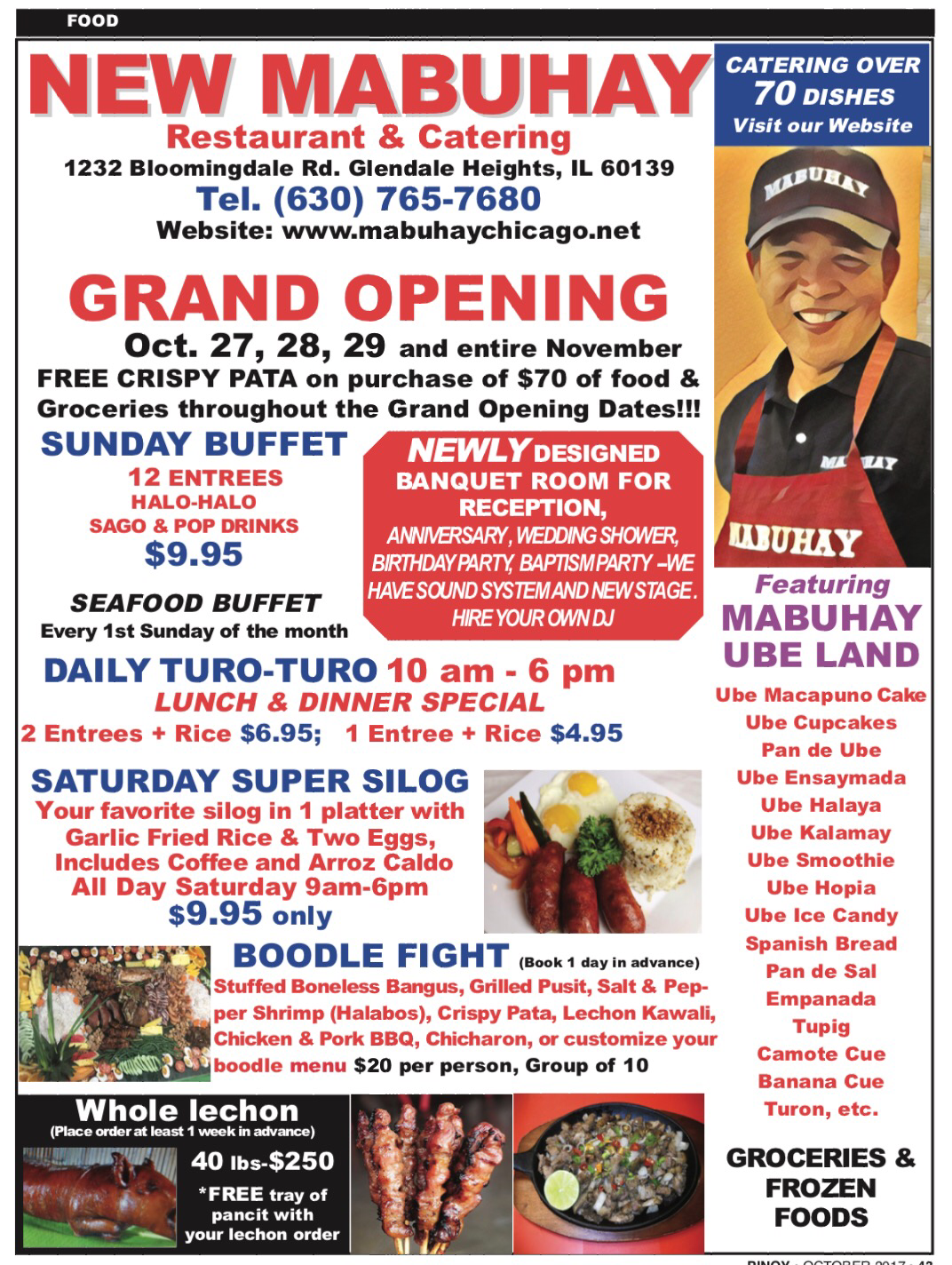
My new cooking techniques learned from the celebrity pros were put into work when my wife went to nursing school. “Please I need your help while I’m finishing up my nursing degree. Would you do the cooking for the family?” I did not hesitate. I invaded the kitchen and prepared gourmet meals everyday to the delight and pleasure of my family. This boosted my confidence in my culinary capabilities., especially when I see people enjoying my food. I knew in my heart I can cook, and I’m a chef in my own rights! My cooking knowledge is a lifetime achievement and I want to impart this knowledge and skill to the next generation. Therefore, there’s something cooking up in my restaurant other than food. It’s a cookbook! – The Mabuhay Cookbook:Sharing the Authentic Recipes
Reserve your copy NOW😃
 myJOURNEY